How Fuel Additives Can Improve Engine Performance
If you’ve ever wondered why some diesel engines run smoother, last longer, and squeeze more miles out of every gallon, the answer often comes down to something small but powerful: fuel additives. They make up a tiny fraction of what’s in your tank, but the difference they make to engine performance, fuel economy, and long-term reliability is significant.
Whether you’re managing a fleet of trucks, running heavy equipment, or just trying to get more out of your daily driver, understanding what additives actually do for your engine — and your bottom line — makes it a lot easier to see why so many operators treat them as essential rather than optional.
The Key Benefits of Fuel Additives
More Power and Smoother Performance
Modern diesel engines depend on precise fuel atomization and combustion timing, and even small inconsistencies in fuel quality can throw that off. Treated fuel ignites more predictably and burns more completely, which shows up as smoother starts, less engine knock, and more responsive power — especially noticeable in cold weather or at altitude.
Clean injectors matter just as much as the fuel itself. Over time, untreated fuel allows carbon deposits to build up on injectors and in the combustion chamber, disrupting the fine spray pattern engines are designed around. The result is sluggish performance and uneven power delivery. Keeping that system clean restores the spray pattern injectors were built to produce, and with it, the power you’d otherwise be losing to buildup.
Better Fuel Efficiency
Combustion quality and fuel economy are directly linked. When fuel burns cleanly and completely, more of its energy goes toward moving your vehicle instead of being wasted as heat, soot, or unburned fuel out the exhaust.
This is where additives pay for themselves. Cleaner fuel systems mean better atomization and more complete combustion, which translates into measurable savings at the pump. Industry studies on injector-cleaning additives have shown fuel economy improvements as high as 4.2% in heavy-duty trucks. For a fleet running tens of thousands of miles a year, that’s not a marginal number — it’s real money back in the budget. Even a 2-3% gain in efficiency adds up fast across dozens of vehicles.
Extended Engine Life and Fewer Repairs
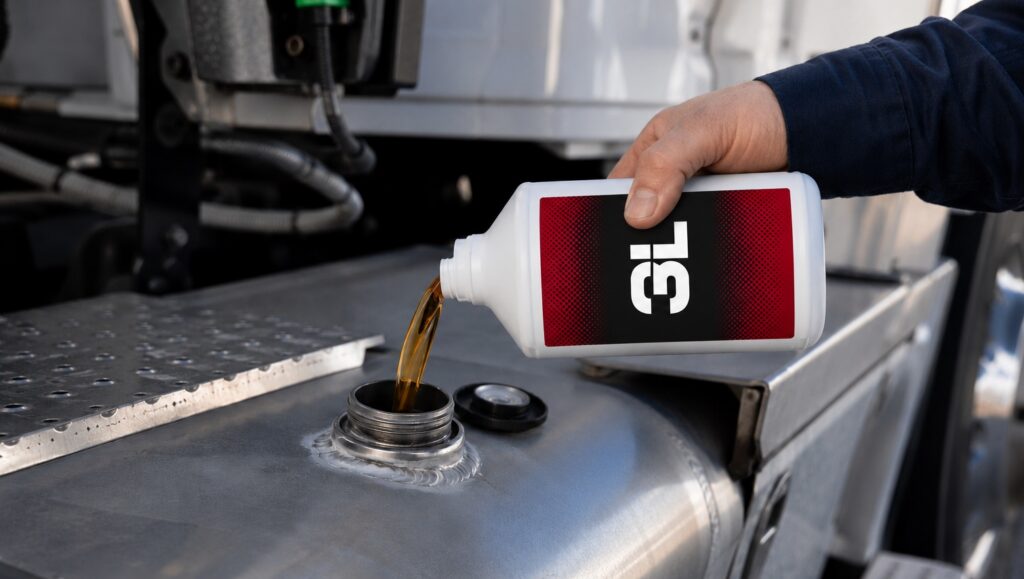
Perhaps the most valuable benefit of additives is the one you don’t notice until it doesn’t happen: the breakdown that never occurs. Modern ultra-low sulfur diesel has had much of its natural lubricating quality stripped out for environmental reasons, which means today’s fuel pumps and injectors get less protection from the fuel itself than older formulations once provided. Additives restore that lubrication, reducing friction on critical, tightly-toleranced components and extending their service life.
The cost of skipping this step adds up. A 2022 report from the American Transportation Research Institute estimated that unscheduled repairs cost fleets close to $500 per vehicle per year, with a large share tied to fuel-related issues. Treated fuel directly reduces that exposure by protecting the parts most vulnerable to wear, corrosion, and contamination.
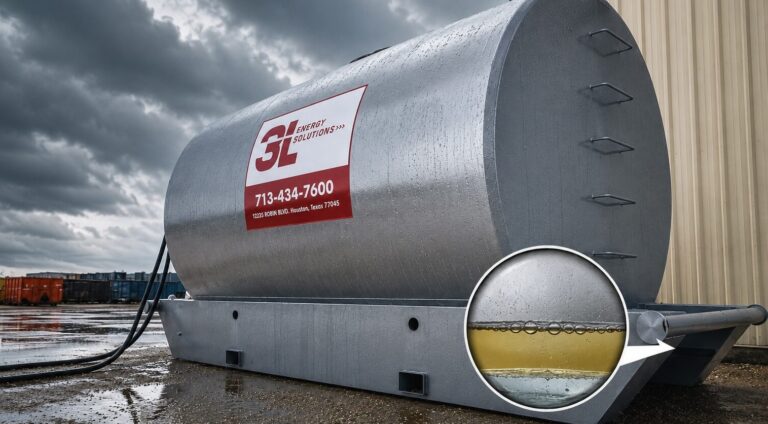
Water is one of the most common culprits behind that damage. It doesn’t combust, so it just sits in the tank, encouraging rust and creating the moist environment microbes need to grow. Left unchecked, that contamination clogs filters and corrodes tank surfaces from the inside out. Additives that disperse water and control microbial growth head off this damage before it becomes an expensive repair.
Reliable Cold Weather Performance
For operators in colder climates, additives aren’t a luxury — they’re a necessity. Diesel naturally thickens and can gel in freezing temperatures, clogging filters and lines and potentially stopping an engine cold. Additives formulated for winter use keep fuel flowing in conditions that would otherwise shut equipment down, which matters enormously for any business that can’t afford an idle truck or generator in January.
A Cleaner Environmental Footprint
The benefits of additives extend beyond the engine bay. Cleaner combustion means fewer pollutants — carbon monoxide, hydrocarbons, and particulate matter — released into the air. For businesses with sustainability goals, treating fuel is a practical, low-effort way to reduce environmental impact without changing equipment or routes. It’s a benefit that pairs naturally with the performance and cost savings already on the table.
The Bottom Line
Diesel fuel additives are a small investment with outsized returns: stronger performance, better mileage, fewer breakdowns, longer engine life, and a smaller environmental footprint. Untreated fuel might look cost-effective at the pump, but the long-term price shows up later in repair bills, lost efficiency, and downtime you didn’t plan for.
For anyone running diesel equipment — whether it’s a single truck or a full fleet — treating your fuel isn’t just maintenance. It’s one of the simplest ways to protect the investment you’ve already made in your engines.
Protect your equipment. Protect your operations.
Ready to protect your engines and get more out of every gallon? Contact 3L Energy Solutions today to learn about our fuel additive options and find the right fit for your fleet.
Contact Us